Eco-Friendly Landscaping: How to Create a Sustainable Garden Mar 28, 2026
To kickstart your eco-friendly landscaping journey, consider the types of plants you introduce to your garden. Opt for native plants that are naturally adapted to your area's climate and soil conditions. These plants require less water and maintenance, promoting a more sustainable garden ecosystem. Native plants also provide essential habitats for local wildlife like pollinators and birds, enhancing biodiversity.
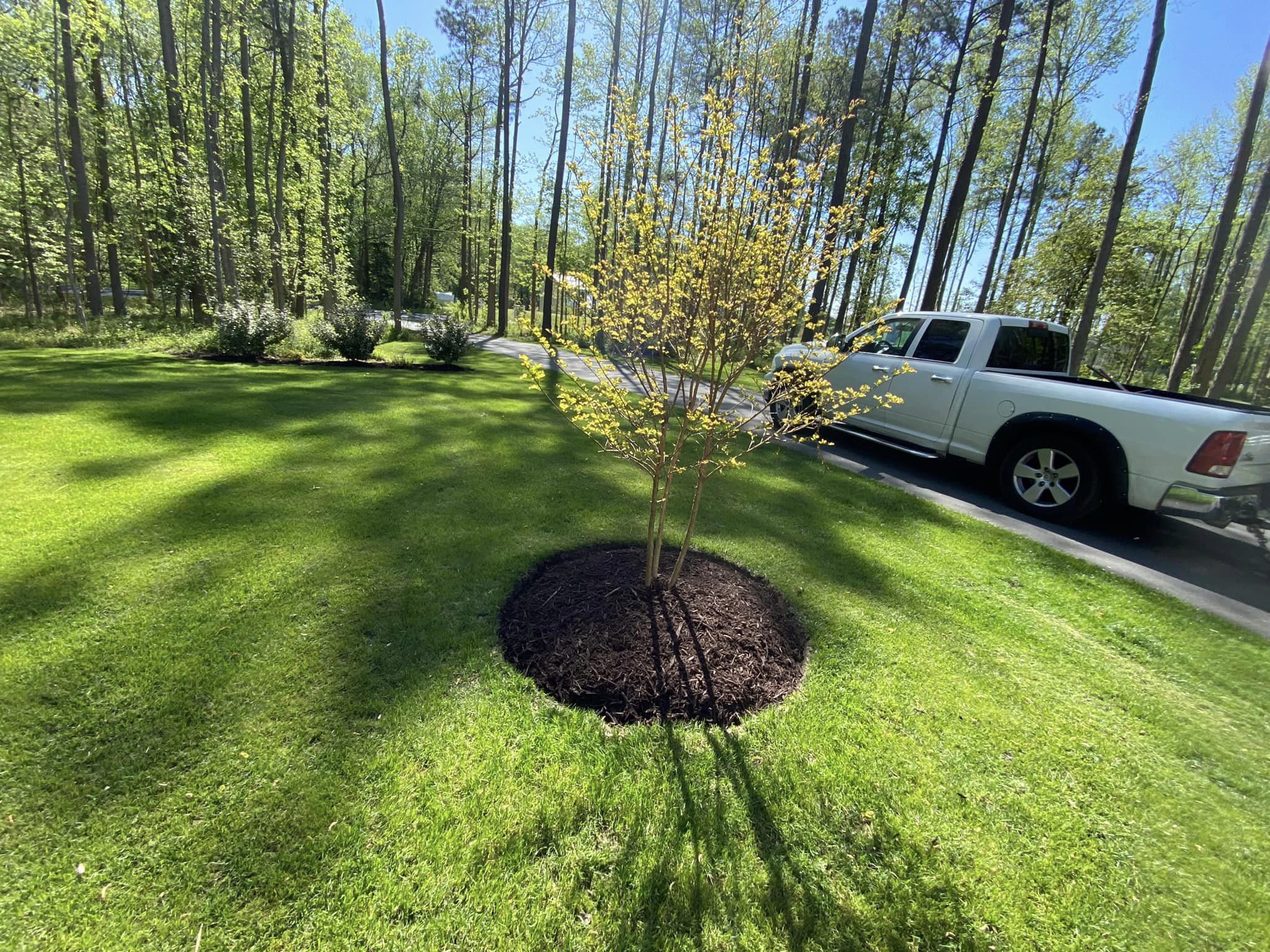
Another fundamental aspect of sustainable gardening is water management. Installing a rainwater harvesting system is a smart way to reduce water usage. Collecting rainwater allows you to irrigate your garden during dry spells, ensuring your plants receive the hydration they need without tapping into public water resources. Additionally, using mulch around plants reduces evaporation, retaining moisture in the soil and further conserving water.
Composting is another excellent practice for creating a sustainable garden. By recycling kitchen scraps and yard waste, you can produce nutrient-rich compost that boosts soil health and reduces the need for chemical fertilizers. Composting not only minimizes waste sent to landfills but also enriches your garden's soil naturally, leading to more robust plant growth.
Incorporating hardscaping elements like permeable pavers, gravel paths, and stone walls in your garden design can enhance both aesthetics and functionality. These materials aid in efficient water management by allowing rainwater to seep through and nourish the soil rather than running off and causing erosion. Hardscaping not only provides structure to your garden but also helps in defining different areas for varied purposes, such as seating spaces or pathways.
Embrace the aesthetics of a less manicured look to foster a truly sustainable garden. Allow some areas of your garden to grow wild, which can encourage pollinators and beneficial insects to thrive. It’s an eco-friendly landscaping technique that promotes a healthy ecosystem and reduces the need for regular mowing, watering, and fertilizing, saving you time and resources.
Reducing chemical usage is another crucial step in creating an environmentally friendly garden. By avoiding synthetic pesticides and herbicides, you protect beneficial organisms vital to maintaining garden health. Instead, rely on natural pest management techniques like introducing ladybugs or other beneficial insects to combat pests or using organic alternatives that prevent harm to the environment.
At Brummett Brothers Lawn Care, we strive to help you achieve these eco-friendly landscaping goals with ease and expertise. Our tailored services ensure that creating a sustainable garden is not only possible but enjoyable. We recommend starting small, gradually integrating these practices to see significant changes in your garden's health and resilience over time.
In conclusion, crafting a sustainable garden is a rewarding endeavor that benefits both nature and your living space. By combining thoughtful plant choices, effective water management, composting, hardscaping, and a reduction in chemical reliance, you can create a garden that is beautiful, functional, and kind to the planet. Start your journey toward eco-friendly landscaping today with Brummett Brothers Lawn Care and make a positive impact on the environment, one plant at a time.
/filters:no_upscale()/filters:format(webp)/media/2b3aef5a-654a-466a-bab8-68d5ae77f940.jpeg)